
How is the project assessed?
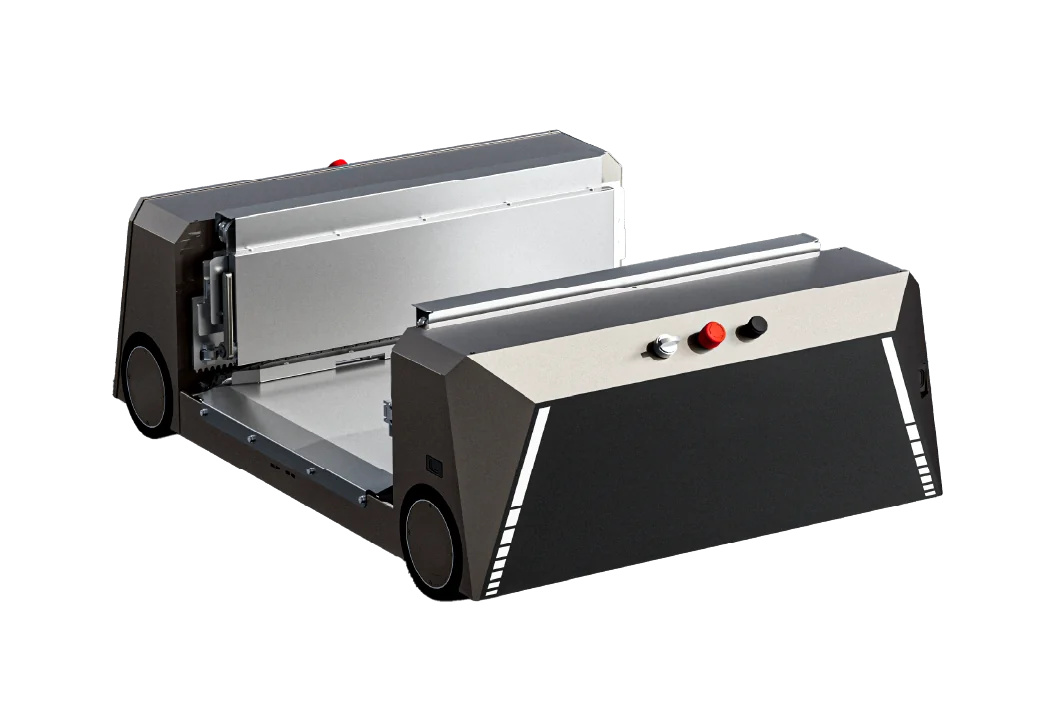
A tote shuttle is considered for automatic movement of standard boxes or totes within a rack. The base, dimensions and load distribution of each unit affect mechanical suitability.
Order lines, SKU diversity and simultaneous tote requests matter. Receiving and picking stations should not be treated separately from movement inside the rack. Define software responsibilities for inventory location and task priority.
Actual capacity and cycle time depend on layout, lifts, stations and task mix. Confirm the model’s technical datasheet after reviewing tote samples and order data.
Information for technical review
- Tote dimensions and base
- SKU and order-line profile
- Stations and peak tote demand
How is the configuration defined?
| Load and conditions | Assessed with samples and the site inventory. |
|---|---|
| Speed / cycle time | Defined by task mix and layout calculations. |
| Dimensions and interfaces | Specified in the selected model’s approved technical offer. |
| Safety, warranty and maintenance | Confirmed by documentation and the written project scope. |
Capacity, timing, compatibility and price are defined in the technical offer after samples, site data and scope are reviewed. This page does not make unverified performance or certification claims.
Related solutions
Questions before a project
Will it work with our existing system?
The team reviews machines, PLCs, software and interfaces. Compatibility, connection responsibility and additional hardware are defined in the technical offer; universal compatibility is not assumed.
Can we start with a pilot or trial?
Start with a limited task and acceptance criteria. Samples or site data define the trial, measures and next decision. Pilot availability and terms are agreed for the specific project.
Does installation stop production?
Connections and safety requirements may need a planned stop or test window. Agree the schedule with production and maintenance teams; zero downtime is not guaranteed.
How are capacity and price determined?
Product or load samples, target flow, conditions and integration scope are reviewed. The final configuration and commercial offer are based on these inputs.
How are data and software interfaces planned?
Define data sources, interfaces, permissions, retention and recovery responsibilities. On-site or cloud deployment is assessed against the customer environment.
What is the service and maintenance scope?
Discuss maintenance access, training, spares and remote support in the offer. Coordination with STU Servis is available through the group; warranty and response commitments require a written scope.
Your project enquiry
Send your contact and project details. Your enquiry is saved in the private enquiry system and a reference is shown on this page.