
How is the project assessed?
Rack positions alone do not define an automated-storage project. Daily inbound and outbound movements, simultaneous load requests, SKU variety and peak distribution affect selection. Pallets and totes or boxes need different architectures.
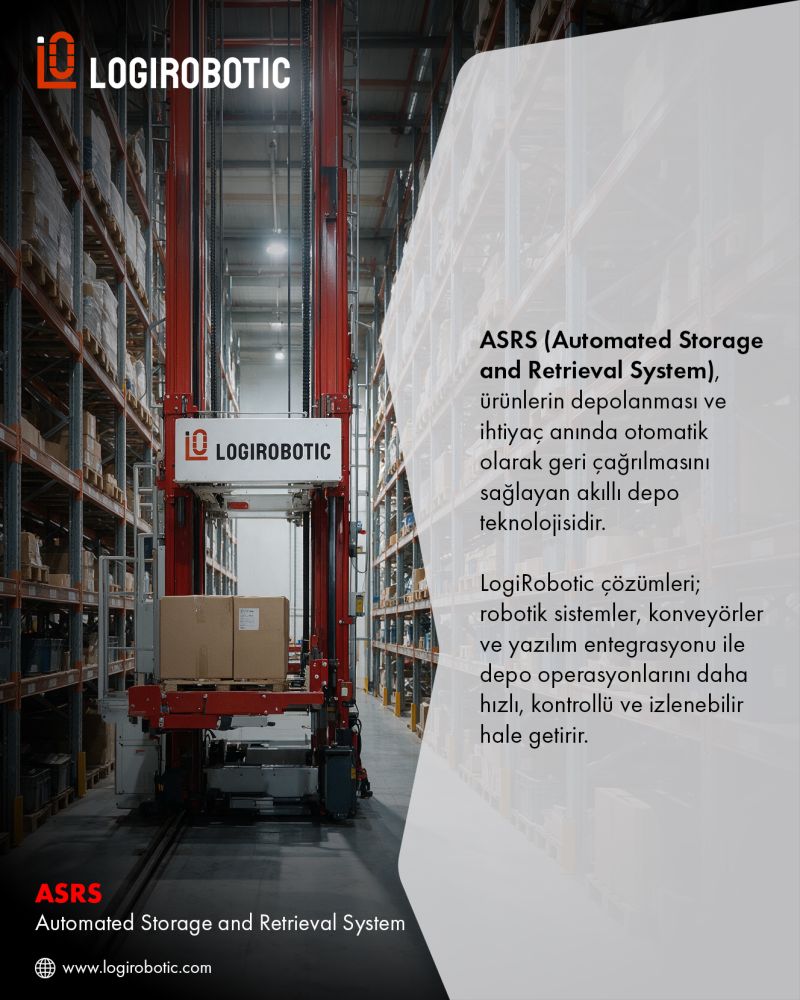
Four-way pallet shuttle, tote shuttle and stacker-crane options are reviewed against load units and movement profiles. Lifts, conveyors, induction and picking stations need a balanced flow. Bottlenecks may occur at receiving or a picking station rather than inside the rack.
Layout review includes maintenance access, building and fire constraints, electrical infrastructure and software responsibilities. Final capacity, speed and load limits belong in the selected configuration's technical offer rather than universal claims on a website.
Example system flow
- 01Receiving
- 02Conveyor / lift
- 03Shuttle / AS/RS
- 04Order preparation
Information for technical review
- Pallet or tote dimensions and weight
- SKU, inventory and peak movements
- Building layout and software environment
Capacity, timing, compatibility and price are defined in the technical offer after samples, site data and scope are reviewed. This page does not make unverified performance or certification claims.
Related solutions
Questions before a project
Will it work with our existing system?
The team reviews machines, PLCs, software and interfaces. Compatibility, connection responsibility and additional hardware are defined in the technical offer; universal compatibility is not assumed.
Can we start with a pilot or trial?
Start with a limited task and acceptance criteria. Samples or site data define the trial, measures and next decision. Pilot availability and terms are agreed for the specific project.
Does installation stop production?
Connections and safety requirements may need a planned stop or test window. Agree the schedule with production and maintenance teams; zero downtime is not guaranteed.
How are capacity and price determined?
Product or load samples, target flow, conditions and integration scope are reviewed. The final configuration and commercial offer are based on these inputs.
How are data and software interfaces planned?
Define data sources, interfaces, permissions, retention and recovery responsibilities. On-site or cloud deployment is assessed against the customer environment.
What is the service and maintenance scope?
Discuss maintenance access, training, spares and remote support in the offer. Coordination with STU Servis is available through the group; warranty and response commitments require a written scope.
Your project enquiry
Send your contact and project details. Your enquiry is saved in the private enquiry system and a reference is shown on this page.